

Layering with Merino: A Guide to Spring Hiking Comfort
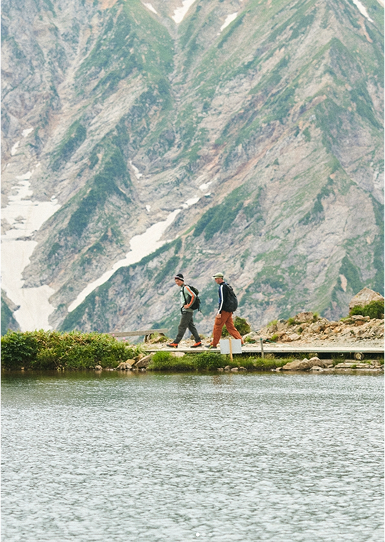
Spring hiking in Canada is a lesson in contrasts. One moment you're under a brilliant sun in the Kootenays, and the next you're navigating a chilly breeze above the tree line in Banff. From wet mornings on the Fundy trails to melting snowpack in the Rockies, spring conditions demand gear that’s ready for anything.
That’s why layering with Merino wool is essential. Merino helps your body adjust naturally, so you stay comfortable across shifting temperatures, changing terrain, and every mile of elevation.
With the right layers, you don’t just prepare for the trail, you move with it.
Why Merino Wool Is Made for Spring Hiking
In a Canadian spring, weather doesn’t just vary by the day, it can change by the hour. The right layering system needs to regulate your temperature, manage moisture, and keep you warm in wind without overheating under the sun.
Merino wool does it all, naturally. It absorbs moisture vapor before it becomes sweat, helps both release excess heat and insulates even when damp. Whether you’re hiking through shoulder-season snowmelt in Yoho or climbing out of a fog bank on the East Coast, Merino helps you adapt in real time.
At icebreaker, we use only natural fibers to build a system that moves with you and performs in every environment.
How to Layer Merino Wool for Spring Hiking
- Start with a lightweight base
- Add breathable warmth with a mid layer
- Top it off with a light outer shell when needed
- Pack less by choosing adaptable layers
- Avoid synthetics that trap heat and hold moisture
Building Your Merino Wool Layering System
Base Layer: Soft, Breathable, and Dry
Your first layer is your foundation. A lightweight Merino base layer will help keep you dry and comfortable during high-output climbs or when temperatures shift quickly. It’s ideal for humid spring mornings on coastal trails or cold starts in alpine valleys.
Why it works
- Regulates temperature naturally
- Breathable and quick-drying
- Soft next to skin and resists odor
Try these
- Merino 150 Short Sleeve Crews
- Cool-Lite™ options for high-output or warmer days
Mid Layer: Warmth Without the Bulk
In Canada, spring can feel like winter in the morning and summer by lunch. That’s where a Merino mid layer made from RealFleece™ or ZoneKnit™ comes in. It adds breathable warmth on those chilly ridge walks or early starts from glacial trailheads.
Why it works
- Lightweight insulation that breathes
- Moves with your body
- Packs easily into your trail bag
Try these
- ZoneKnit™ mid layers with ventilated zones
- RealFleece™ zip-ups for breathable warmth
Outer Layer: Light Protection for Unpredictable Weather
Snow patches in Banff. Wind-whipped ridgelines in the Rockies. Drizzly mornings in Fundy National Park. Spring hiking in Canada means being ready for the unexpected. A lightweight outer layer will help seal in warmth while letting your Merino system do the hard work underneath.
Why it works
- Shields against wind and light rain
- Breathes with your inner layers
- Easy to layer and remove as needed
Try these
- MerinoLoft™ jackets
- Lightweight shells built for changeable conditions

Better for You and the Planet
icebreaker believes in gear that supports your movement and the environment. Our Merino wool layers are made from renewable, biodegradable fibers that are naturally high-performing. This means no plastic and no compromise.
Technologies like Cool-Lite™ and ZoneKnit™ are designed to work with your body, not against it. Whether you're pushing uphill or resting at a scenic overlook, your gear works with the pace of your adventure.
Ready to Hike Lighter?
From the windswept cliffs of the Fundy trails to the snow-dusted peaks of Banff, spring hiking in Canada is all about versatility. An icebreaker’s Merino wool layering system will help you stay dry, warm, and comfortable.
Explore our Merino collection and build your go-to spring hiking outfit. Breathable. Adaptable. Built for shoulder season and made to move with nature.
Merino Wool Layering FAQs
Q: What makes Merino wool better than synthetic materials for hiking?
A: Merino wool is naturally breathable, moisture-absorbing, and helps regulate your temperature in changing conditions. Unlike synthetic materials, it resists odor without chemical treatments and doesn’t trap heat or sweat, making it ideal for long days on the trail.
Q: Can I wear Merino layers in warm spring temperatures?
A: Yes. Lightweight Merino base layers and Cool-Lite™ blends are perfect for warm spring days. They help manage moisture vapor and allow excess heat to escape, keeping you cool and dry even when the sun comes out.
Q: Do Merino layers need special care after hiking?
A: Merino is surprisingly low maintenance. Airing your gear out after use is often enough between washes. When it’s time to clean, just machine wash cold with like colors and lay flat to dry. No fabric softeners or bleach needed.